Workshop Basic Info
Organizer
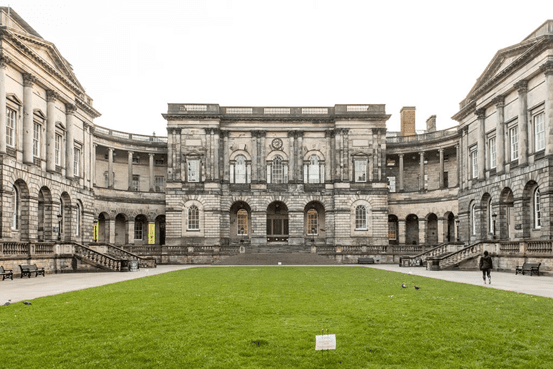
Reid School of Music, The University of Edinburgh, UK
Workshop Chair:
Personal Bio:
Dr. Ioannis Panagiotou is a UK-based artist and composer. His art uses cross-media narratives for exploring issues of memory, migration and identity. Ioannis' works have been presented internationally in Japan, UK, Lithuania, Denmark, Belgium, Switzerland and Greece. He has worked with F-Wakaba Dance, Plus-Minus Ensemble, Red Note Ensemble, Edinburgh Quartet, Decoda, Edinburgh Film Music Orchestra, Edinburgh Contemporary Ensemble, St Andrews New Music Ensemble, Theros Theatre Ensemble and Portativ Ensemble. Holding a PhD in Composition from the University of Edinburgh, Ioannis is the Head of Music at Lincoln College and teaches Composition at the University of Edinburgh. He is also the artistic director of the PN Ensemble, and is an Artist in Residence at the Zurich University of the Arts.
Backgroud
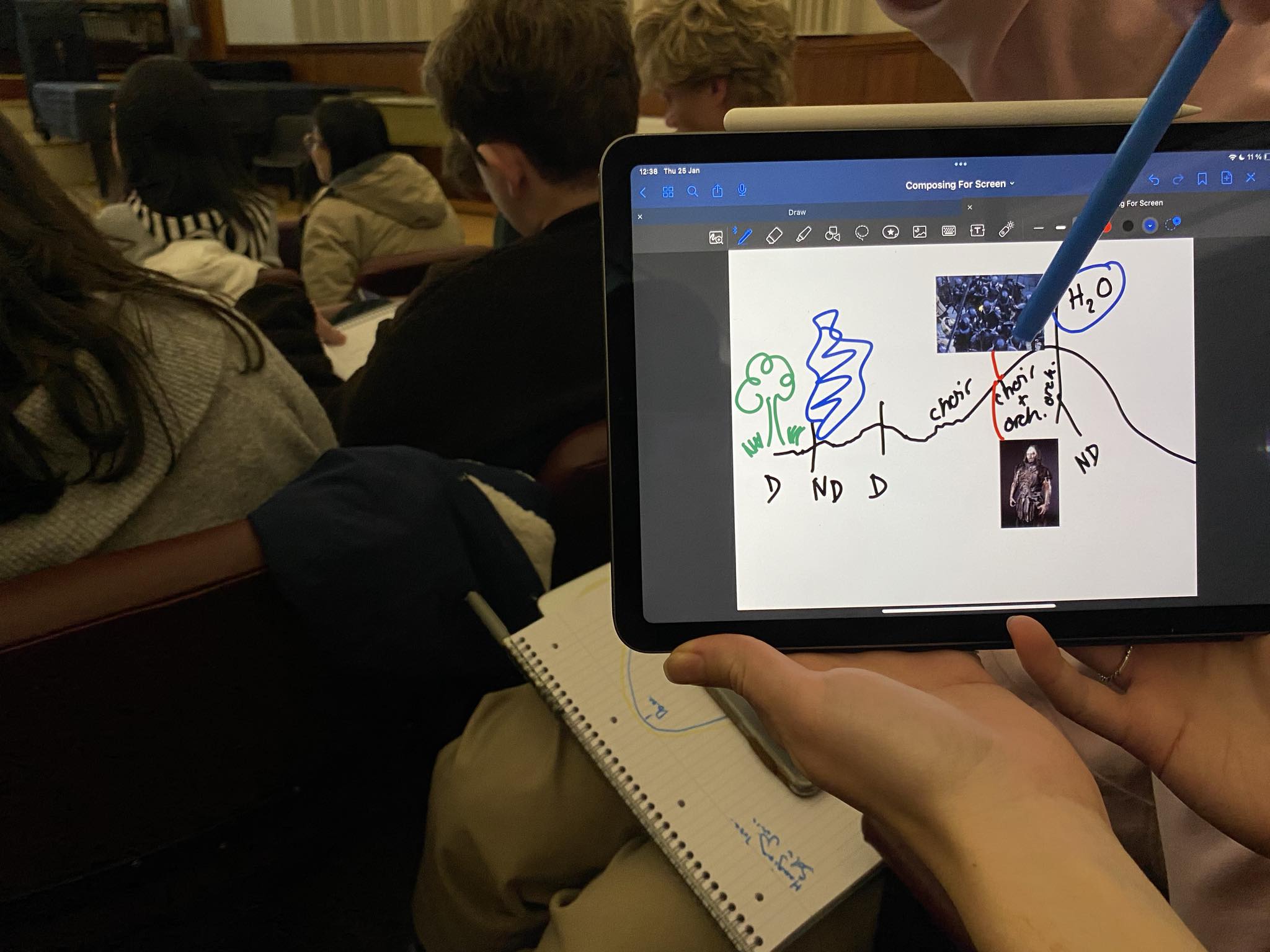
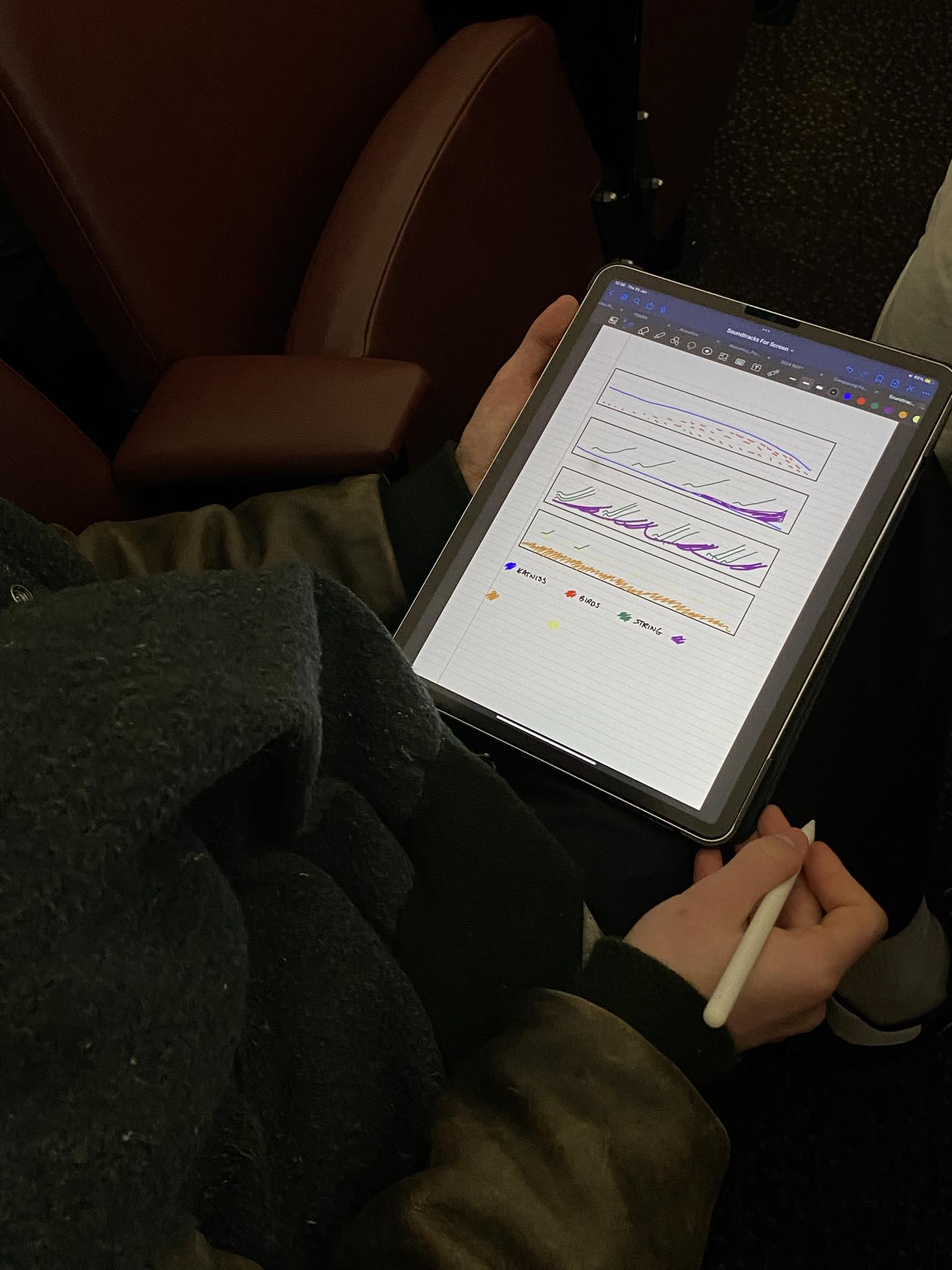
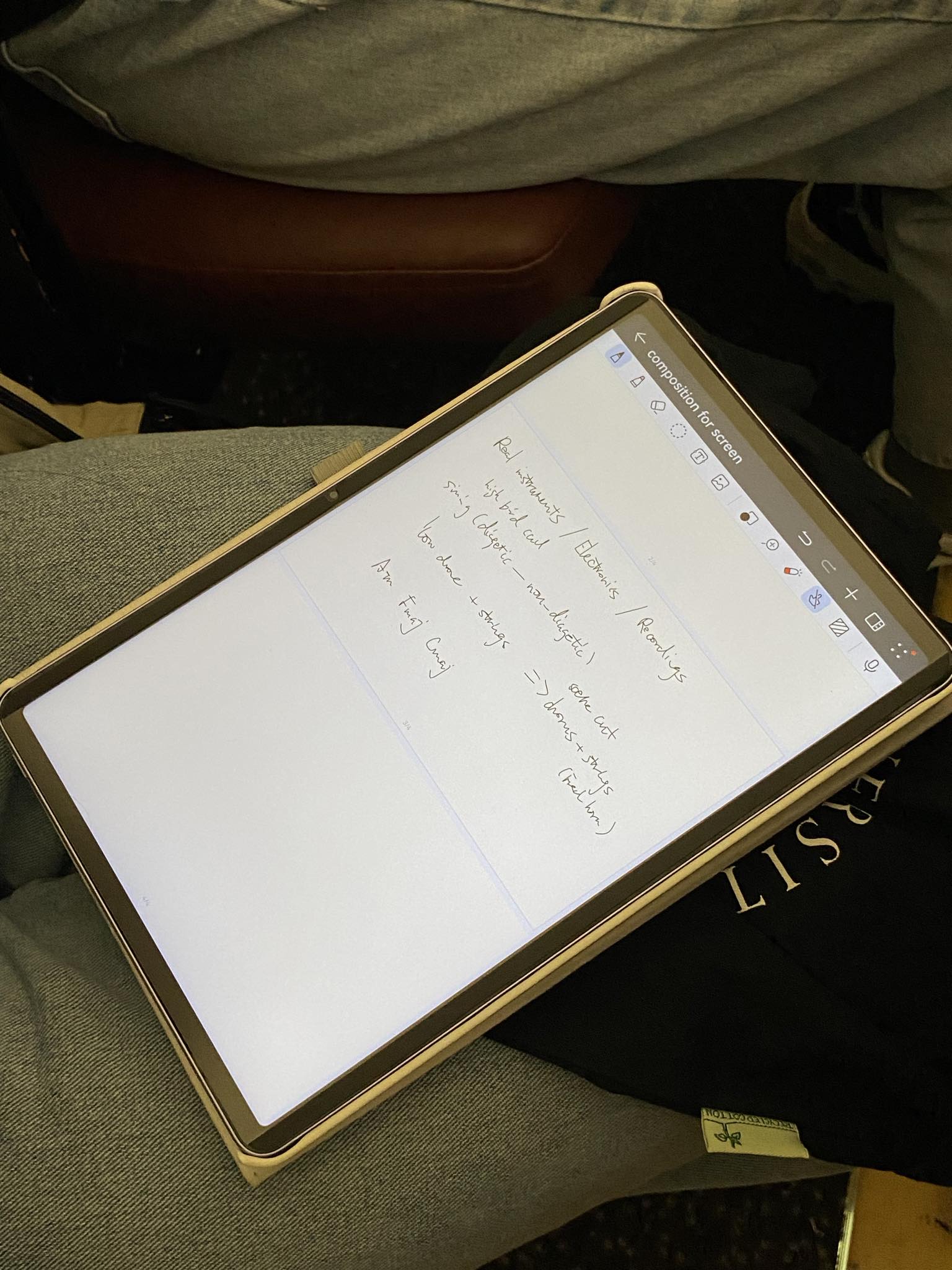
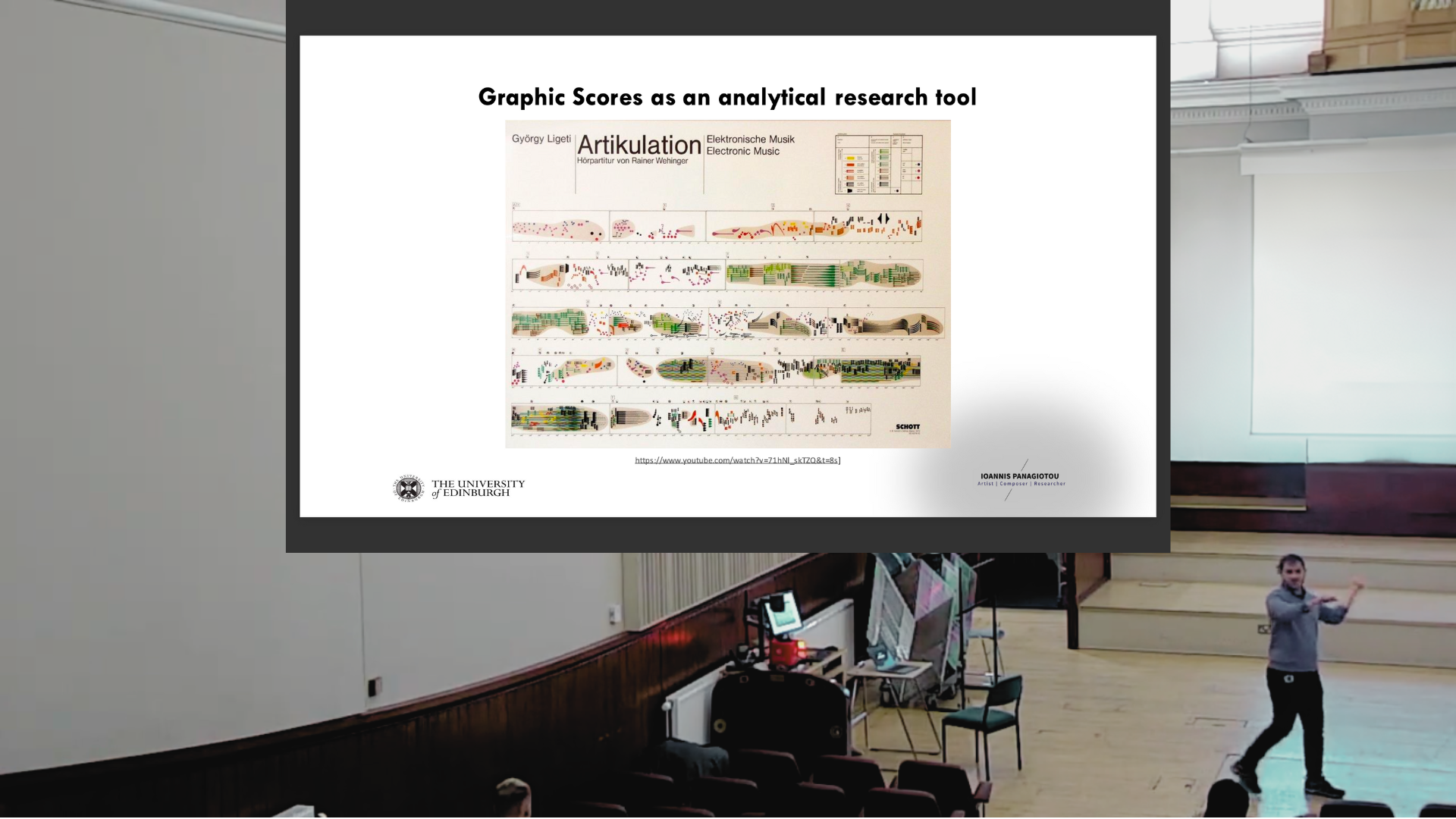
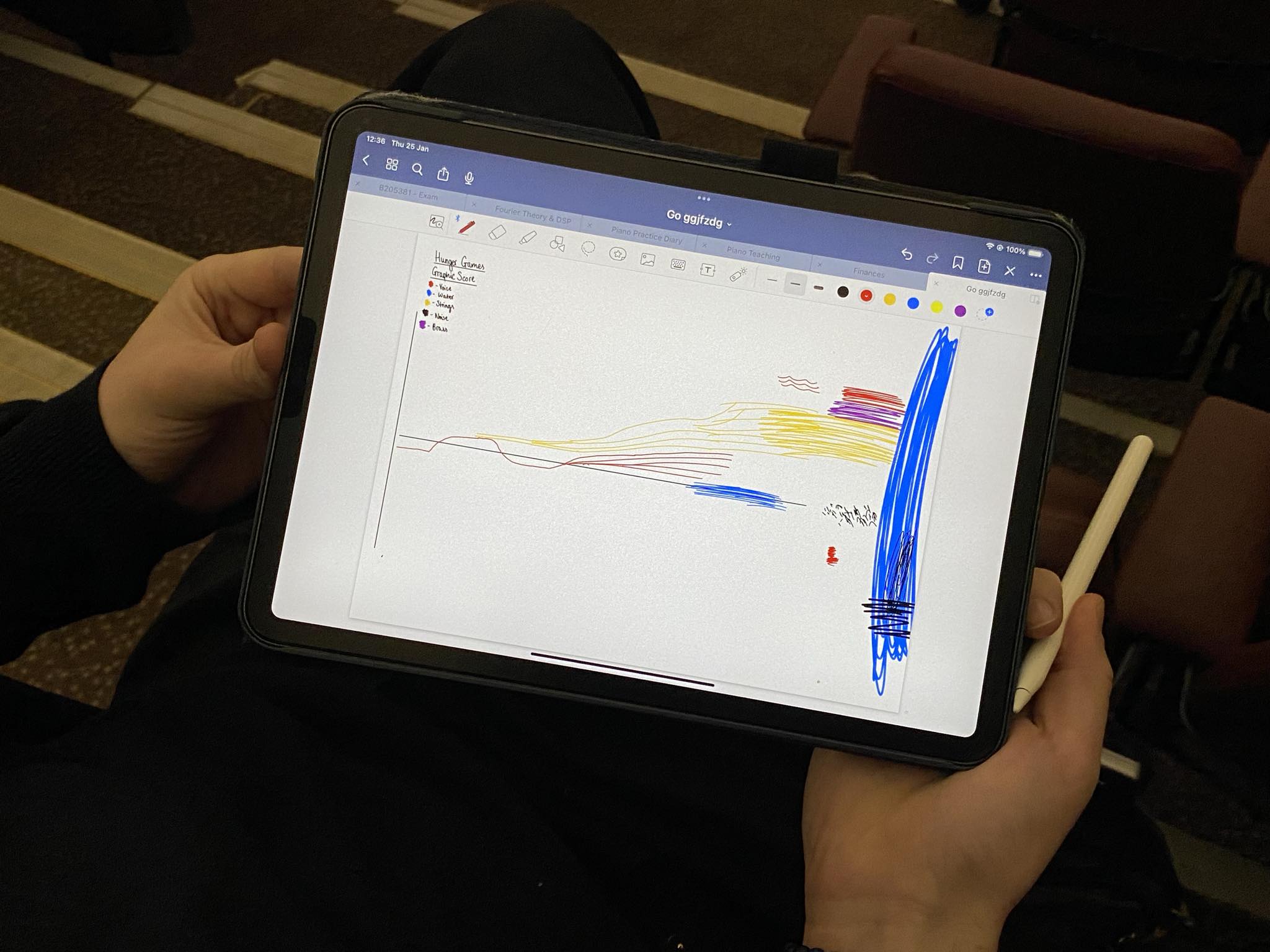
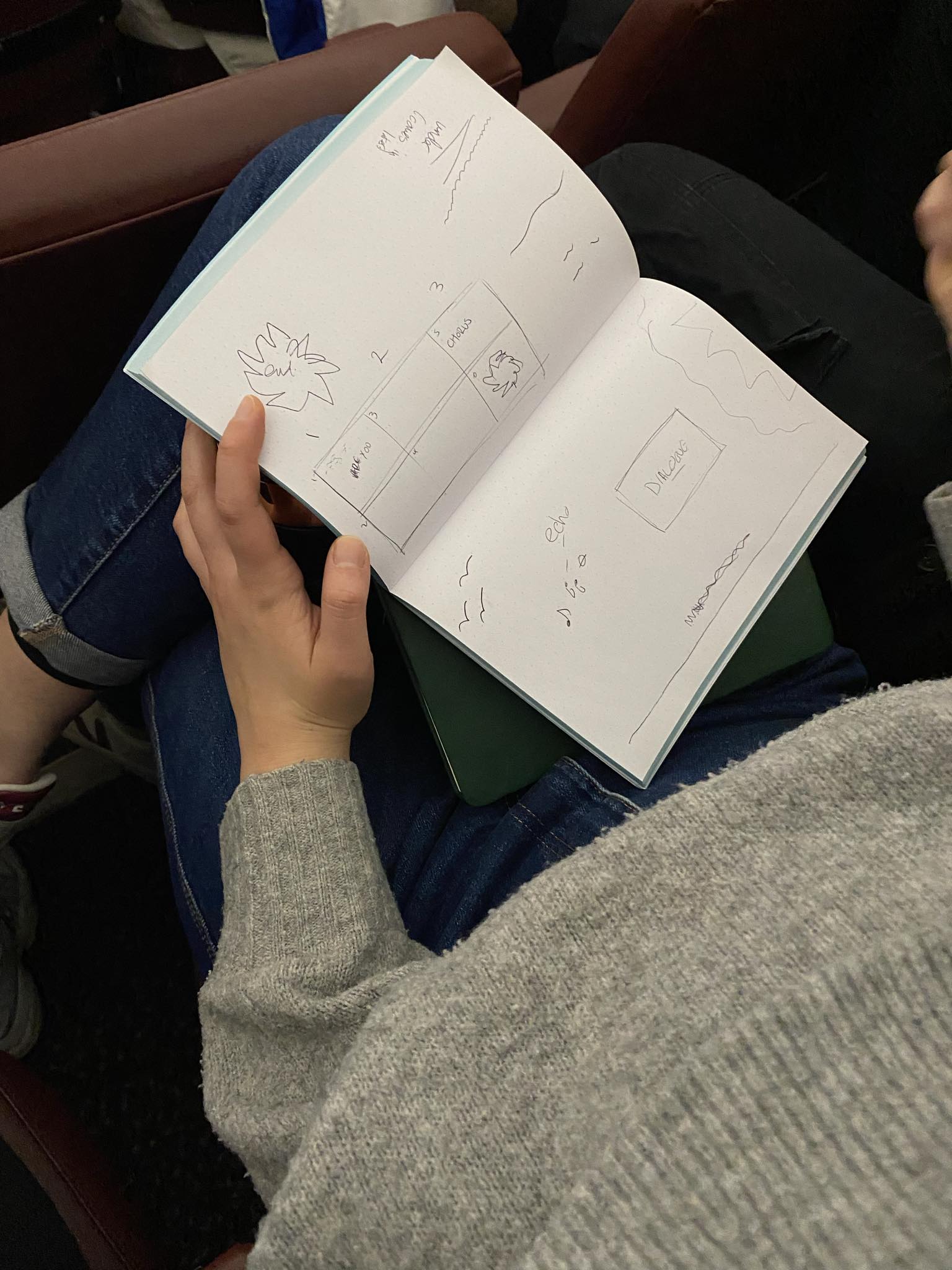
In the realm of music for film, the intricate relationship between visual storytelling and sonic landscapes has evolved significantly with the advent of contemporary composition techniques and innovative sound design. This workshop aims to delve into the nuanced exploration of instrumentation and timbre in cinematic music, specifically through the lens of Graphic Music Notation (GMN). GMN provides a visual representation of musical elements, offering a unique perspective for composers and sound designers to craft evocative sonic experiences in conjunction with visual narratives.
Goal/Rationale
The workshop seeks to address the challenge of enhancing the synergy between music and visuals in film by leveraging the expressive potential of instrumentation and timbre. With recent advancements in both musical notation and film scoring technology, this workshop aims to foster a deeper understanding of how Graphic Music Notation can be employed to articulate complex musical ideas within the context of visual storytelling. Participants will explore innovative ways to use GMN to communicate and experiment with instrumentation and timbral elements, pushing the boundaries of traditional film scoring.
Call for Papers
Scope and Information for Participants
The workshop aims to create a dynamic space for collaboration, discussion, and hands-on exploration, fostering a community dedicated to pushing the boundaries of music for film through the lens of Graphic Music Notation. Prospective participants are encouraged to submit papers at the workshop within the overarching topic of film, music, arts, media, etc. This workshop welcomes innovative scholars to participate in order to boost scientific information exchange among researchers, students and industry experts around the world. Several keywords are listed to share the potential themes with interested participants, while the topics are not limited to the provided keywords.
- Music for Film
- Contemporary Music
- Collaborative Sound Design
- Expressive Timbral Techniques
- Instrumentation as Narrative Device
- Technological Integration
Topics
Fine Arts & Design
- Fine Arts and Visual Arts
- Cultural Arts
- Dance Arts
- Art of Music
- Traditional Media
- Illustration
- Editorial Design
- Advertising Design
- User experience design
- 3D Animation
- Corporate Design
Journalism & Mass Media
- Traditional Media
- Print Media
- Electronic Broadcasting Media
- Digital Media
- Transit Media
- Entertainment Journalism
- Opinion Journalism
- Investigative Journalism
- Sports Journalism
Submission
All submitted papers should report original and unpublished work, experimental or theoretical, and are not under consideration for publications elsewhere. All papers should be no less than 4 pages in length and must strictly follow the format of the workshop template. All papers are subject to reviews and edits. Prospective authors are kindly invited to submit full text papers that includes title, abstract, introduction, tables/figures and references. Other styles of papers are not accepted. Please submit your papers in both .doc/.docx AND .pdf formats as attachments via email to ws-edinburgh@icllcd.org by the given deadline. It is unnecessary to submit an abstract in advance.
Publication
Accepted papers of the workshop will be published in Communications in Humanities Research (Print ISSN 2753-7064), and will be submitted to Conference Proceedings Citation Index (CPCI), Crossref, CNKI, Portico, Google Scholar and other databases for indexing. The situation may be affected by factors among databases like processing time, workflow, policy, etc.
Ways to Participate
To break the barriers of time and space and to provide seamless communication opportunities for worldwide scholars, both online and offline participation methods are supported for the workshop. Participants are encouraged to bring their own insights, experiences, and examples to share with the group through either presenting a poster online or attending in person.
Poster Session
The poster session will provide an opportunity for researchers to present their work in a visual and interactive way, allowing for more engagement and discussion with other attendees. Authors of qualified papers will be invited to present their works with digital posters. We believe that this online poster session will still be a great platform for participants to share, discuss, and cooperate.
All accepted authors will receive an invitation email to present at the official workshop website. Please note that all poster presenters must submit the poster before April 20, 2024. Detailed information on your presentation date and time will be confirmed closer to the meeting. If you have any questions, please email ws-edinburgh@icllcd.org.
Poster Presentation Guidelines
- Poster presentations must be prepared using the template provided:
*Poster layout template for poster presentation (download)*Poster layout background (download)
- Posters should generally be in A1 size (width: 594mm x height: 841mm) and include the
followings:
Title, author and co-author names, and the affiliation(s) information.
Body parts, including "Abstract", "Introduction", "Methods", "Results", "Discussion" and "Conclusions".
- Presenters are suggested to set the font size properly and avoid placing anything at the margin part of the poster as it will be difficult to view.
- Posters should be well illustrated. All the pictures used should be high quality and with high resolution.
- All the posters will be displayed online on the official website. Each poster will have both a small thumbnail and a full-size version.
- Posters will be displayed during the online session. After the presentation is over, the full-size version of all posters will become invisible. But thumbnails still can be seen on the website.
(You can refer to the instructions for more detailed information. Additional presentation guidelines may be announced by workshop committees.)
Attendance Onsite
The workshop welcomes participants to attend on-site and share the innovative experiences and researches with the group. Therefore, we provide some general information about the visa application. If you want to attend the workshop on-site, please email the workshop committee: ws-edinburgh@icllcd.org.
Highlight
The workshop, "Exploring Instrumentation & Timbre in Music on Screen using Graphic Music Notation for Film," delves into the evolving landscape of cinematic music, focusing on the intricate relationship between visuals and sonic expression. Recognizing the transformative potential of Graphic Music Notation (GMN), this event seeks to explore how GMN can be harnessed to enhance the emotive impact of film scores through innovative approaches to instrumentation and timbre.
Addressing the contemporary challenges in film scoring, the workshop aims to foster a deeper understanding of GMN's role in communicating complex musical ideas within visual narratives. It strives to bridge the gap between traditional film scoring and modern sound design by encouraging participants to investigate expressive timbral techniques, use instrumentation as a narrative device, explore collaborative sound design, and integrate cutting-edge technology into GMN.
Participants are invited to contribute to a dynamic and collaborative environment, sharing insights, experiences, and examples. The workshop aspires to cultivate a community dedicated to pushing the boundaries of music for film, embracing the potential of Graphic Music Notation as a powerful tool for shaping the future of cinematic soundscapes.

Visa
Welcome to GOV.UK
In order to ensure the information is correct and up to date, there may be changes which we are not aware of. And different countries have different rules for the visa application. It is always a good idea to check the latest regulations in your country.
US Visa Information
What you need to do
- Check if what you plan to do in the UK is allowed as a Standard Visitor.
- Check if you meet the eligibility requirements.
- Check if you need to apply for a visa to visit the UK.
- Apply for a Standard Visitor visa online - if you need one.
You must have a passport or travel document to enter the UK. It should be valid for the whole of your stay. You must be able to show that:
- You'll leave the UK at the end of your visit
- You're able to support yourself and your dependants during your trip (or have funding from someone else to support you)
- You're able to pay for your return or onward journey (or have funding from someone else to pay for the journey)
- You'll not live in the UK for extended periods through frequent or successive visits, or make the UK your main home
Check if you need a visa to visit the UK
Depending on your nationality, you'll either:
- have to apply for a Standard Visitor visa before you travel to the UK
- be able to visit the UK for up to 6 months without needing a visa
You can check if you need a visa before you apply.
If you do not need a visa, you must still meet the Standard Visitor eligibility requirements
to
visit the UK. You may be asked questions at the UK border about your eligibility and the
activities you plan to do.
Publication Info
Title:
Communications in Humanities Research
Press:
EWA Publishing,
United Kingdom
ISSN:
2753-7064
2753-7072
(electronic)
Important Dates:
Workshop Date
April 27, 2024
Submission Deadline
April 20, 2024
Notification of Acceptance
7-20 workdays
Template:
Fees:
Registration Fee
USD 450 (cover 6 pages)
Additional Page
USD 40/extra page
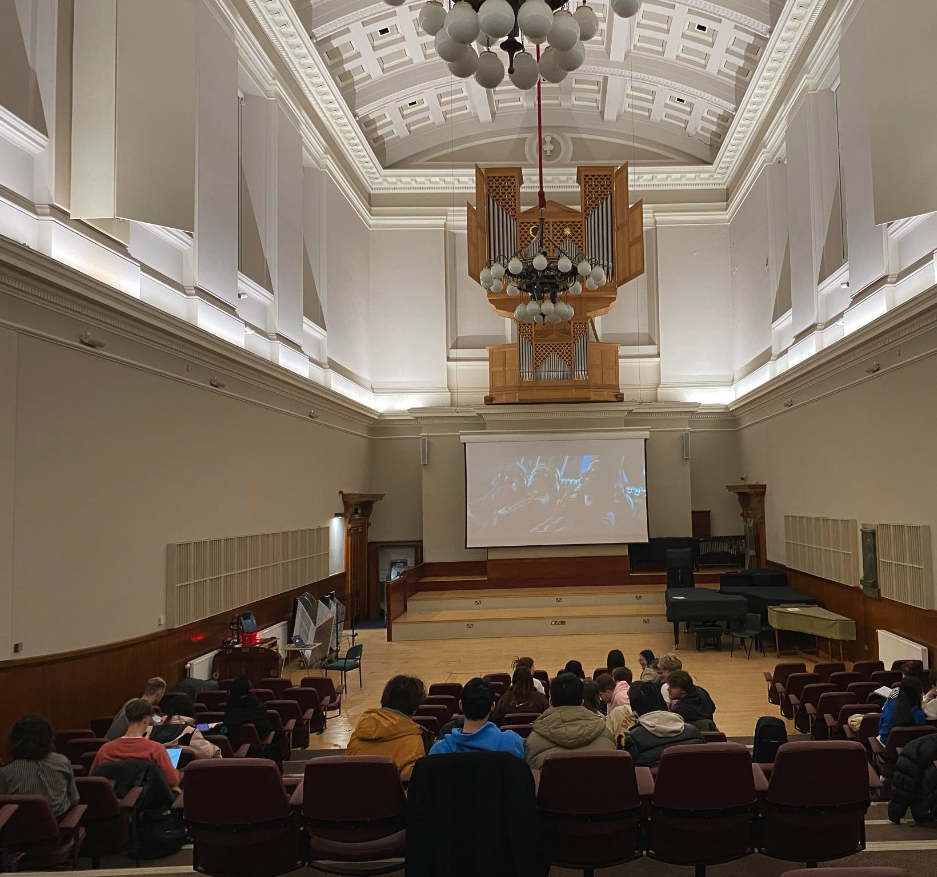
Venue:
Reid Concert Hall, Edinburgh, EH8 9AL